Recent market data from IDC Global and Omdia reveals that global computer sales plunged by more than 20 percent year-over-year in the third quarter of 2026. This historic contraction is a direct result of major technology corporations heavily prioritizing artificial intelligence data centers, triggering severe memory shortages that have severely impacted the consumer electronics market.

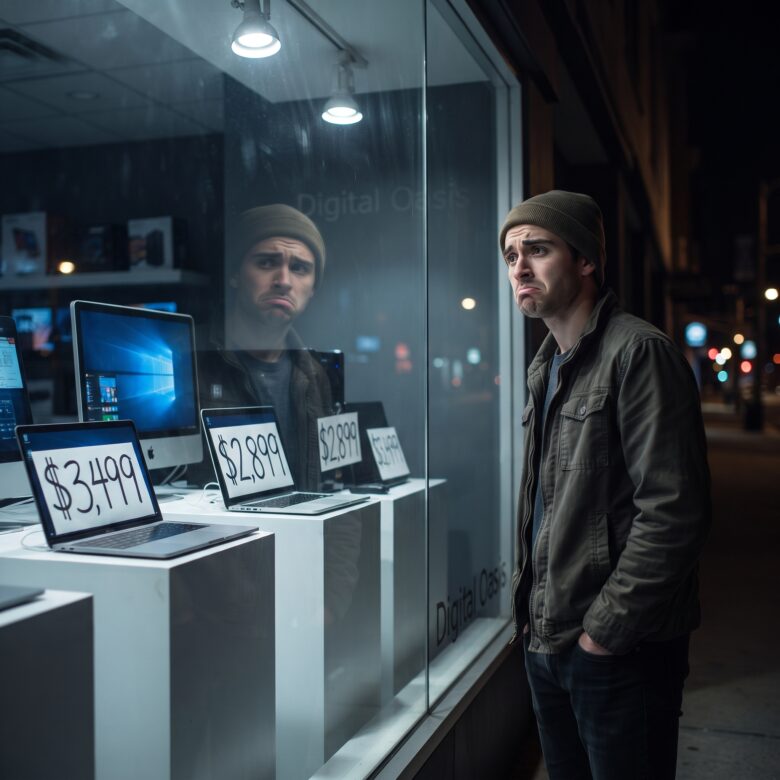
The rapid expansion of AI infrastructure redirected vital manufacturing resources toward High Bandwidth Memory (HBM) essential for AI graphics processing units. Consequently, component supplies for the broader consumer market dried up. The crunch intensified when key manufacturers, such as Micron, discontinued mainstream consumer brands like Crucial. With empty shelves across retail channels, component costs skyrocketed; high-end 128 GB DDR5 memory kits surged by as much as 500 percent, reaching up to 3,399 US dollars.

Major PC vendors took the hardest hit from this supply chain shock. HP experienced the steepest decline with a 30.9 percent drop, followed closely by Dell at 25 percent and Lenovo at 22.6 percent. Brands with specialized ecosystems faced smaller contractions, with Apple down 11.3 percent and ASUS down 8.6 percent. Despite these losses, the top three market leaders maintained their rankings, led by Lenovo with a 23.8 percent market share, HP at 16.5 percent, and Dell at 12.1 percent.
Global #PC shipments fell 21.2% YoY in 3Q26 as rising component costs and subsiding demand impacted the market, according to new Omdia research. Read the full press release here: https://t.co/YVZJ0ypD3f pic.twitter.com/QXGoxLmDIL
— Omdia (@OmdiaHQ) October 9, 2026
Industry experts hold divided expectations for the future. While Acer CEO Jason Chen suggests that supply panic is exaggerated and largely serves to protect manufacturer profit margins, major DRAM suppliers indicate that high prices will persist due to rising demand for physical AI infrastructure and robotics. Analysts from IDC caution that while high retail prices may suppress demand and trigger short-term promotions, hardware costs will remain elevated compared to previous years, with further market contractions anticipated heading into 2027.
How The AI Boom Is Making People Buy Fewer PCs
, original content from Ubergizmo. Read our Copyrights and terms of use.